
Choosing the Right Sprinkler System for Your Lawn
To maintain a lush and vibrant lawn, choosing the right sprinkler system is crucial. An efficient watering system ensures healthy grass, reduces water waste, and promotes consistent growth. Several factors influence this choice, including your lawn’s size, shape, water pressure, and local climate conditions. Selecting an appropriate system not only saves money but also conserves water, which is increasingly important in today’s environmentally conscious world. If you’ve ever stood in your yard staring at dry patches and puddles at the same time, you already know that watering isn’t as simple as turning on a hose. The good news is that with the right guidance and consistent sprinkler maintenance, creating a green, healthy lawn becomes much more manageable—and far less frustrating.
Comparing Available Sprinkler System Options
When people begin exploring sprinkler systems, they’re often surprised by how many choices exist. Each type has strengths and limitations, and understanding those differences makes decision-making much easier. Oscillating sprinklers are popular because they move back and forth in a rectangular pattern, making them ideal for flat, evenly shaped lawns. They’re simple to set up and easy to adjust. According to Better Homes & Gardens, depending on the sprinkler type and model, sprinklers can have a spray coverage of anywhere from 400 square feet all the way to 6,000 square feet, or more. That wide range means a single unit could handle a modest backyard or contribute to watering a much larger space.
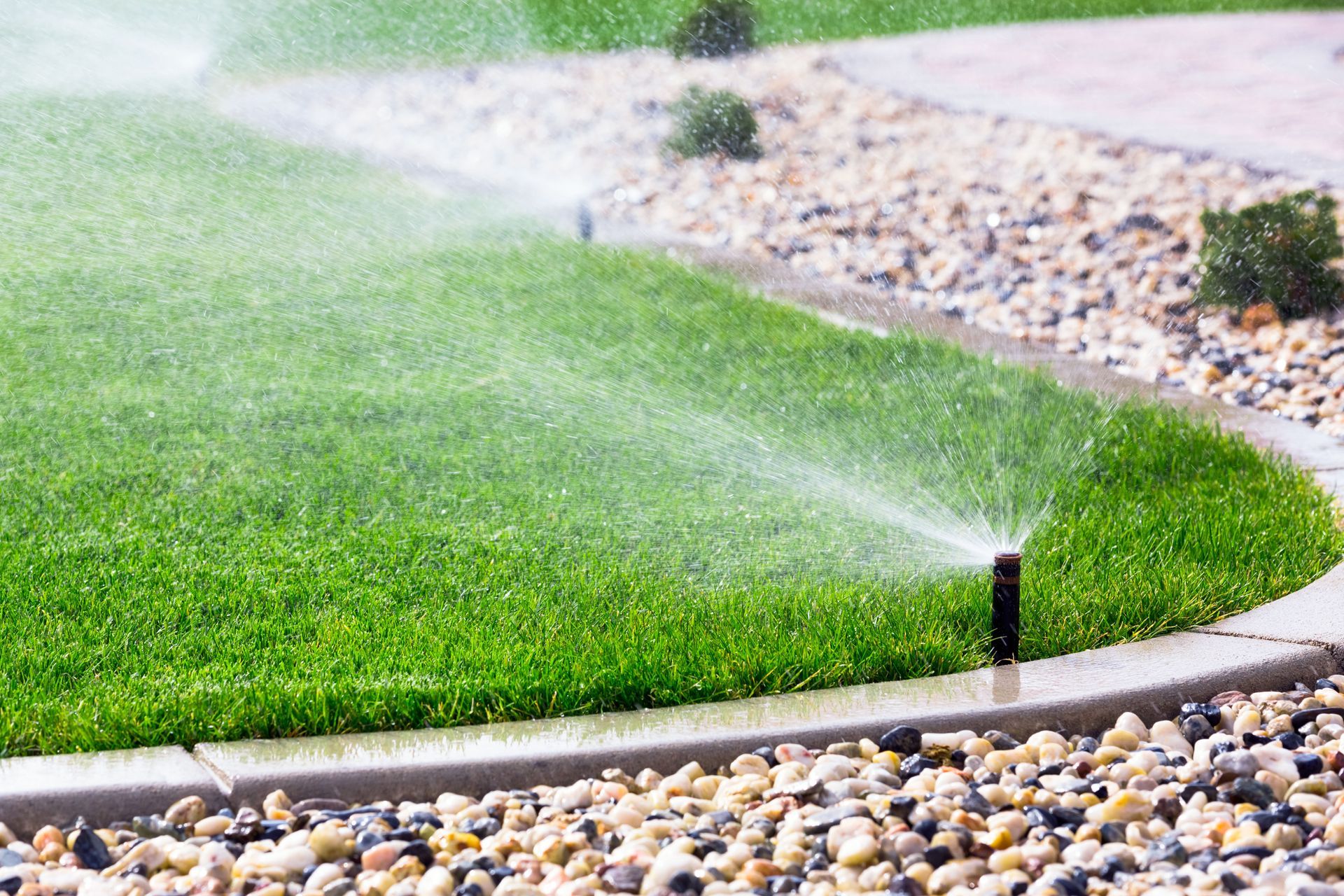
Rotary sprinklers operate differently by spinning streams of water in circular patterns. They’re excellent for irregular or curved lawns where straight-line spray patterns fall short. Stationary sprinklers, sometimes called fixed sprinklers, spray in one set pattern and are best suited for smaller areas or garden beds. In-ground sprinkler systems offer a more permanent solution. Installed beneath the surface with pop-up heads, they provide programmable zones and automated schedules. Drip irrigation systems, meanwhile, deliver water directly to plant roots and are perfect for landscaped areas requiring precision. Choosing among these options depends on lawn layout, personal preference, and how much time you want to dedicate to watering and sprinkler maintenance.
Measuring Lawn Dimensions and Layout Carefully
Before purchasing any sprinkler system, accurate measurements are essential. It might feel tedious, but guessing almost always leads to poor coverage or unnecessary expense. Start by dividing your lawn into simple shapes like rectangles, squares, or circles. Measure each section carefully using a measuring wheel or tape measure. Multiply length by width to determine square footage, then total the numbers for an overall figure. Knowing your exact coverage needs prevents underperforming systems or wasted water.
The shape of your yard also matters. Rectangular lawns often pair well with oscillating sprinklers because their motion mirrors the layout. Irregular lawns may benefit from rotary sprinklers that can be adjusted for varying arcs. Large properties frequently require multiple units or zoned in-ground systems to ensure even watering. Taking time to evaluate layout now reduces headaches later. It also minimizes uneven wear on equipment, which supports better long-term sprinkler maintenance and prevents premature repairs.
Addressing Slopes, Elevation, and Drainage Challenges
Lawns are rarely perfectly flat, and slopes introduce additional considerations. Water naturally runs downhill, which can cause pooling at the base of a yard and dryness at the top. Without thoughtful planning, this imbalance leads to stressed grass and wasted water. Drip irrigation systems are particularly effective on slopes because they release water slowly and directly into the soil, minimizing runoff.
Rotary sprinklers can also be adjusted to manage elevation differences, but placement and pressure settings must be carefully considered. In-ground systems may incorporate pressure-compensating heads to maintain even output across varying heights. Drainage patterns should also be observed after watering. If puddles linger or soil becomes compacted, adjustments are necessary. Consistent sprinkler maintenance, including checking for clogs and ensuring proper head alignment, becomes even more critical in yards with elevation changes. By proactively addressing these challenges, homeowners protect both their lawn and their investment.
Evaluating Water Pressure and Flow Requirements
Water pressure significantly influences sprinkler performance. Too little pressure results in weak spray patterns and inadequate coverage. Too much pressure creates misting, which wastes water through evaporation before it ever reaches the soil. Most sprinkler systems operate best within a pressure range of 30 to 50 PSI. Testing your outdoor faucet with a pressure gauge provides a clear starting point for selecting compatible equipment.
Flow rate, measured in gallons per minute, determines how much water your system can supply at once. Rotary sprinklers typically require higher flow rates than stationary models. If multiple zones operate simultaneously, ensuring adequate supply is essential to avoid performance issues. Pressure regulators can help maintain consistency and protect system components from damage. Understanding these technical details may not be glamorous, but they make a noticeable difference in system efficiency. Proper matching of sprinkler heads to pressure and flow reduces strain on equipment and lowers the frequency of sprinkler maintenance over time.
Adapting Watering Strategies to Climate Conditions
Climate plays a significant role in lawn irrigation. In regions with frequent rainfall, supplemental watering should be adjusted to avoid oversaturation. In hotter or drier climates, lawns may require more consistent hydration to remain healthy. Paying attention to seasonal changes helps prevent both underwatering and overwatering.
Rain sensors provide an excellent solution for improving efficiency. These devices detect moisture levels and pause watering schedules when rainfall is sufficient. Soil moisture sensors offer additional precision by measuring ground saturation directly. During peak summer months, watering early in the morning or later in the evening reduces evaporation and improves absorption. Wind exposure should also be considered, as strong gusts can redirect spray patterns and waste water. By aligning watering practices with environmental conditions, homeowners support sustainable lawn care while minimizing unnecessary sprinkler maintenance caused by overuse or system strain.
Balancing Installation Costs with Long-Term Value
Cost is often one of the first factors homeowners consider. Portable sprinklers generally require a lower upfront investment and minimal installation effort. They’re suitable for smaller lawns or those who prefer flexibility. However, they demand manual repositioning and may result in uneven coverage if not carefully monitored.
In-ground systems involve higher initial costs due to excavation, piping, and professional installation. Yet they provide long-term benefits through automation, zoning capabilities, and consistent performance. Over time, improved water efficiency may offset installation expenses through lower utility bills. Drip irrigation systems, while more specialized, can reduce water consumption in landscaped areas significantly.
Maintenance costs should also factor into decision-making. Systems that are easier to inspect and repair may prove more economical in the long run. Regular sprinkler maintenance, including seasonal inspections and winterization where necessary, protects system components and extends lifespan. Weighing upfront investment against durability and efficiency ensures a balanced approach that aligns with both financial and environmental goals.
Integrating Smart Technology for Greater Efficiency
Modern irrigation technology has evolved significantly in recent years. Smart controllers allow users to adjust watering schedules remotely using smartphones or computers. These systems often integrate weather data to adapt irrigation automatically based on temperature, humidity, and rainfall forecasts. This level of responsiveness eliminates guesswork and promotes water conservation.
Remote monitoring capabilities provide real-time insights into water usage and system performance. Homeowners can receive alerts for leaks, pressure irregularities, or scheduling conflicts. Integration with broader home automation platforms creates a seamless experience, centralizing control for convenience. While technology enhances efficiency, it does not eliminate the need for sprinkler maintenance. Sensors and controllers still require periodic inspection to ensure accuracy and reliability.
Choosing the right sprinkler system requires careful consideration of lawn dimensions, terrain, water supply, climate, installation costs, and technological features. While the process may seem overwhelming at first, breaking it down into manageable steps makes it far more approachable. With informed decisions and consistent sprinkler maintenance, homeowners can enjoy healthy, vibrant lawns that enhance curb appeal and outdoor living spaces. For personalized guidance and professional irrigation solutions designed to fit your property’s unique needs, contact Impact Landscape LLC today.
Share On: